You’ve signed the agreement, your team has been briefed, and the first visit is two days away. And then a quiet, practical anxiety sets in:
What is this actually going to look like on the floor?
How will the visiting clinicians interact with your nurses?
Who is responsible for what?
What happens after they leave?
These are the right questions to be asking. A mobile wound care partnership works best when both sides have clear expectations from day one — and when your team feels informed, not blindsided, by a new presence in the building.
The First Visit Is About Learning Your Facility, Not Just Treating Wounds
The initial visit with a mobile wound care team isn’t a procedure day — it’s an orientation. Before any clinical work begins, a good mobile wound care team will want to understand how your facility operates: where wound supplies are stocked, how your nursing staff communicates between shifts, which EHR (electronic health record) system you use, and what your current wound tracking process looks like.
Expect questions, not just assessments. The visiting clinician is building a picture of your environment so that their care fits your workflow, rather than working around it. This is also the right time for your team to ask questions in return — about documentation expectations, communication protocols, and how escalations are handled if a resident’s wound changes between visits.
The goal by the end of the first visit: your staff knows who to call, when to call them, and exactly what information to have ready.
Your Nursing Team Stays in the Driver’s Seat
A common concern among Directors of Nursing is whether bringing in outside clinicians will create confusion about authority — who owns the care plan, who communicates with the attending physician, who talks to the family?
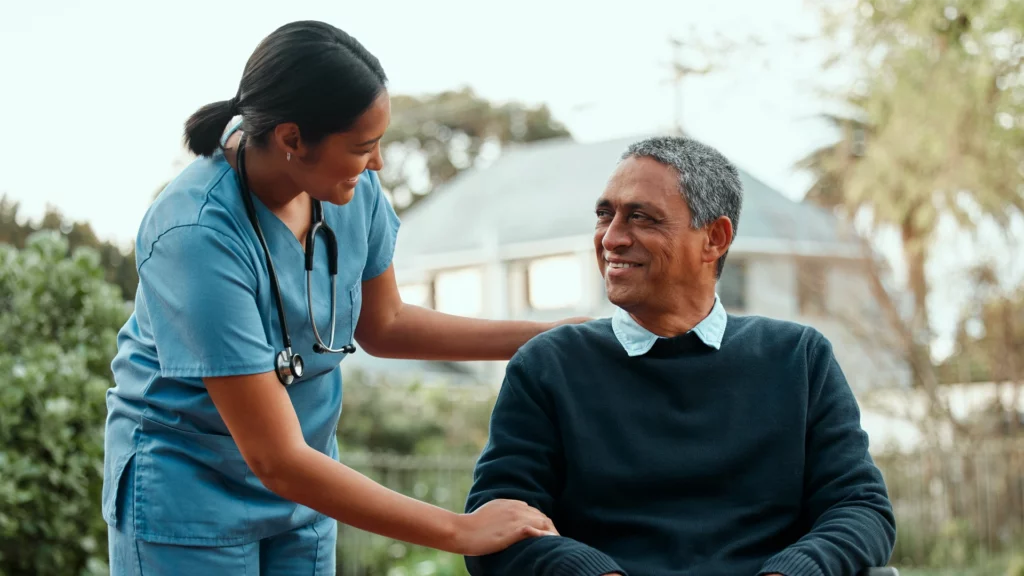
The short answer: your nurses do. Mobile wound care specialists function as a clinical resource that extends your team’s capacity, not a replacement for it. They assess, recommend, and document. Your nurses implement, monitor between visits, and maintain the relationship with the resident and their family.
What changes is the quality and specificity of the clinical guidance your team receives. Instead of a generalist nurse making wound care decisions in isolation, they’re working from an expert assessment with clear instructions. That’s a meaningful difference for complex wounds — but it doesn’t mean handing over the care relationship.
Make sure your charge nurses understand this before the first visit. The partnership works best when your staff sees the visiting clinician as a consultant they can collaborate with, not an auditor evaluating their work.
Documentation Gets Cleaner — but It Requires a Handshake
One of the most practical benefits of a mobile wound care partnership is the documentation trail it creates. Visiting clinicians generate detailed wound assessments after each visit — measurements, tissue descriptions, photographs, and care plan updates — that flow directly into your records.
But this only works cleanly if the handoff is established upfront. Before the first visit, confirm:
- Where wound care notes will be documented (your EHR, a shared platform, or both)
- Who on your team receives the post-visit summary and by when
- How care plan changes are communicated to CNAs on the floor
- What your process is for flagging a wound that changes between scheduled visits
A mobile wound care provider that takes documentation seriously will have a clear answer to every one of these questions. If they don’t, that’s worth a conversation before the relationship goes further.
What “Integrated Care” Actually Feels Like Week to Week
After the initial visit, the rhythm becomes predictable. Scheduled visits happen on a defined cadence based on each resident’s wound status and care needs. Your staff monitors between visits and flags anything that warrants an earlier check-in. Post-visit summaries arrive promptly. Families can be updated with confidence because the documentation is current and clear.
Over time, your wound care coordinator (if you have one) and the visiting clinician develop a working shorthand. Your nursing staff gets more comfortable asking clinical questions because they trust the relationship. Residents with complex wounds start to associate the visiting clinician with their care — not just a stranger who appears occasionally.
This is what a functional partnership looks like at the six-month mark. It doesn’t happen automatically, but it happens consistently when expectations are set clearly at the start.
The most useful thing you can do before your first visit is gather your charge nurses and wound care coordinator for a fifteen-minute conversation. Walk through what’s changing, what’s staying the same, and where they should direct questions. A team that feels prepared will make the partnership work faster than any clinical protocol.
Mobile wound care services like those offered by Bella Health Group are built to fit inside your existing operations — so your staff spends less time managing logistics and more time with residents.
Disclaimer: The information provided in this article is intended for general informational and educational purposes only. It does not constitute medical advice, clinical guidance, or a substitute for professional healthcare consultation. Care decisions for individual residents should always be made by licensed clinicians in accordance with applicable standards of practice, facility policies, and governing regulations. Bella Health Group makes no representations or warranties regarding the completeness or accuracy of this content. Facilities are encouraged to consult qualified clinical and legal professionals before implementing any changes to care programs or policies.