It’s easy to think of wound care as something that happens during the wound care visit when the nurse changes the dressing, documents the assessment, and updates the care plan. The rest of the time, the wound is just there, doing what wounds do.
But healing doesn’t pause between clinical visits. It happens continuously, shaped by dozens of small interactions throughout the day; a repositioning, a meal, a moment of noticing something looks different. Most of those interactions involve people who aren’t wound care specialists. And that’s exactly why they matter.
The Clinician Sets the Direction. The Team Moves the Needle.
A wound care specialist, whether in-house or visiting, brings the clinical expertise to assess, stage, and prescribe a care approach. That assessment is essential. But the care plan they write is only as effective as the team that carries it out between visits.
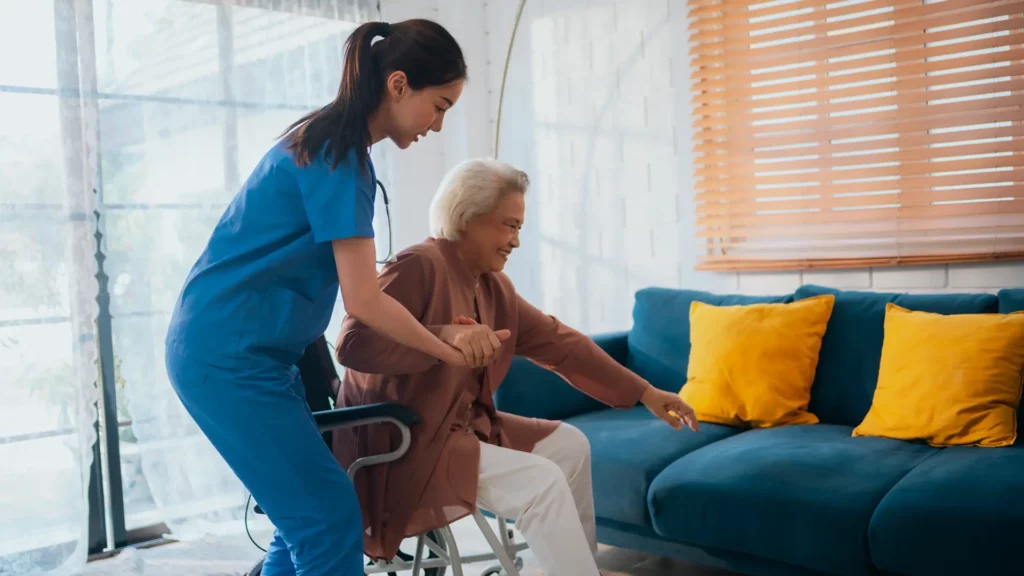
Consider what actually influences whether a wound heals. Pressure relief; turning and repositioning schedules carried out by CNAs, directly affects whether a pressure injury worsens or improves. Skin stays at assessments during bathing and personal care catch early changes before they become serious problems. Meal assistance and hydration encouragement from caregivers support the body’s ability to repair tissue. None of these are clinical procedures. All of them are clinical in their impact.
What CNAs and Caregivers Need to Do Their Part
Expecting care staff to contribute meaningfully to wound healing without giving them the right information is a setup for inconsistency. A CNA who doesn’t know why a resident needs to be repositioned every two hours is less likely to prioritize it when the floor is busy. A caregiver who doesn’t know what a wound looks like when it’s improving or worsening, can’t flag a change that matters.
The most effective care teams share three things with frontline staff before asking them to support wound care:
- The why. A brief, plain-language explanation of what the wound is, what affects healing, and why their specific tasks matter.
- What to watch for. Simple, concrete signs that something has changed: increased redness around the wound edges, new drainage, a resident who suddenly resists being turned. Staff who know what to look for become an early warning system.
- Who to tell. A clear, low-friction path for reporting observations. Avoid formal incident processes that feel like filing a complaint, opt for a quick verbal check-in with the charge nurse at the end of a shift.
When staff have these three things, they stop being passive participants in a care plan they don’t fully understand and become active contributors to an outcome they’re invested in.
Consistency Is the Variable That’s Hardest to Control
Clinical decisions in wound care tend to be made carefully and documented thoroughly. The gap that undermines outcomes is rarely at the point of clinical decision-making; it’s in the day-to-day consistency of execution. A repositioning schedule that’s followed most of the time is less effective than one followed reliably. A dressing that’s changed correctly six out of seven days doesn’t deliver what it’s designed to.
This is where the care team’s culture matters as much as its training. Facilities where wound care is treated as a shared responsibility where CNAs feel comfortable flagging concerns, where charge nurses reinforce the why behind care tasks, where the visiting clinician is seen as a resource rather than an evaluator consistently get better at execution over time. Not because everyone becomes an expert, but because everyone understands their piece.
The next time a wound care plan is updated, consider sharing the key points not just with nursing staff but with every caregiver who has regular contact with that resident. That conversation takes five minutes. Over the course of a resident’s healing, it can make a real difference.
Mobile wound care services like those offered by Bella Health Group are built around this team-based model working alongside your existing staff, not above them, so that every level of the care team understands their role in the process.
Disclaimer: The information provided in this article is intended for general informational and educational purposes only. It does not constitute medical advice, clinical guidance, or a substitute for professional healthcare consultation. Care decisions for individual residents should always be made by licensed clinicians in accordance with applicable standards of practice, facility policies, and governing regulations. Bella Health Group makes no representations or warranties regarding the completeness or accuracy of this content. Facilities are encouraged to consult qualified clinical and legal professionals before implementing any changes to care programs or policies.